Water Damage Restoration Sun Valley, CA
24/7 water damage restoration in Sun Valley, CA. The restoration team pulls out standing water, dries slab, framing and drywall to the IICRC S500 standard and records every reading for your insurance claim.
(888) 578-6508Water on the floor? Start extraction now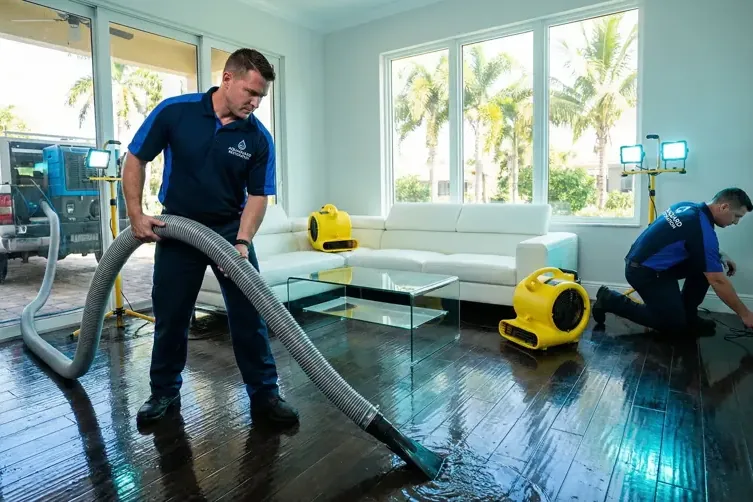
What to do while the water is still moving
- 1
Close the main. The house shutoff usually sits where the supply pipe enters the house, often near a front hose bib; the meter box at the curb is the backup.
- 2
Cut power to wet rooms. Switch off those breakers if the panel is dry, and keep clear of standing water near outlets and extension cords.
- 3
Photograph before moving anything. Take wide shots and close-ups of every wet room, then lift rugs, boxes and furniture legs off the floor.
- 4
Call early. 24/7 dispatch covers nights and weekends, and mold can take hold on wet drywall inside 24 to 48 hours.
Water Damage Restoration Services in Sun Valley, CA
Water and sewage only, from the first gallon extracted to the last dry reading.
 01Water Extraction and RemovalStanding water pulled out with truck-mounted units before it soaks into pad, baseboards and drywall.See the service
 02Slab Leak Water DamageA leak in copper under the concrete, located, flooring lifted and the slab dried from the top down.See the service
 03Burst and Pinhole Pipe LeaksSplit galvanized and pinholed copper inside walls, the flood extracted and every wet cavity dried.See the service
 04Storm and Street Flooding CleanupWinter runoff that ponds on the street and pours into garages and low lots, cleaned and dried.See the service
 05Sewage Backup CleanupToilet, tub and floor-drain backups handled as Category 3, with removal and antimicrobial treatment.See the service
 06Roof Leak Water DamageFlat-roof, flashing and vent leaks in the first big storm, dried from the attic down to the ceiling.See the service
 07Ceiling Leak Water DamageLeaks from a bath, supply pipe or unit above, traced in the ceiling and dried in the joist bays.See the service
 08Water Heater Leak CleanupGarage, closet and attic tank failures extracted before cabinets and stored boxes soak through.See the service
 09Appliance and Supply Hose LeaksWasher hose, dishwasher, ice maker and toilet supply leaks dried out of floors and cabinet bases.See the service
 10AC and Condensate Leak DamageClogged condensate drains and rooftop coolers that drip into ceilings during the hot months.See the service
 11Structural Drying and DehumidificationFraming, slab and plaster dried to a verified reading with LGR dehumidifiers and daily logs.See the service
 12Commercial and Industrial Water DamageWarehouses, yards, shops and offices dried in phases so the work inside keeps moving.See the service
Water damage dried to the IICRC S500 standard
- 1
Moisture mapping
The tech who does the walkthrough maps wet drywall, baseboards and slab with pinless meters and thermal imaging before any equipment goes down.
- 2
Extraction
The extraction crew pulls standing water with truck-mounted units, then uses weighted extraction on carpet and pad so less water is left to evaporate.
- 3
Air movers and LGR dehumidifiers
The drying team sizes equipment to each room's evaporation load and keeps doors and windows shut so the dehumidifiers control the air.
- 4
Dry verification
Readings go into a daily log, and the equipment leaves only when wet materials sit within 2 to 4 points of a dry reference.
How a water loss is handled, start to finish
Rapid local response
Water calls are dispatched around the clock, so the extraction crew starts while the water is still on the surface instead of inside the wall cavities.
IICRC S500 drying standard
Every job follows the industry drying standard: category and class first, then extraction, then equipment sized to the room.
Claim-ready documentation
The mitigation team keeps the moisture map, daily logs and photos together, so the claim file matches the drying record.
Local water know-how
Copper under slabs, galvanized pipe in older walls, hard water and storm runoff with no drain to catch it shape every drying plan here.
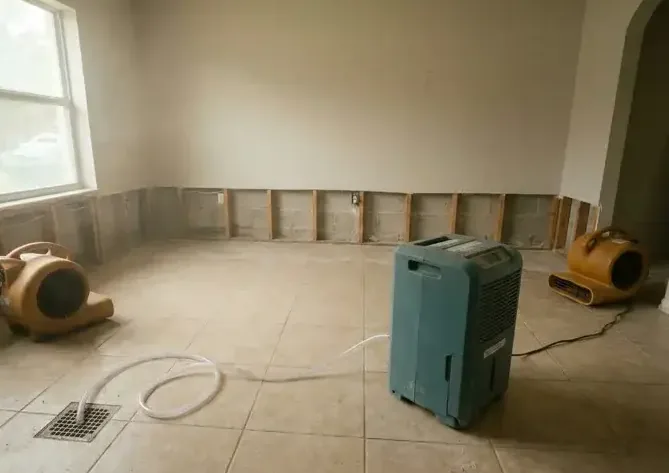
Water damage experts for Valley slab homes, old and new
Most homes in the neighborhood are single-story houses from the 1940s to the 1960s on concrete slabs, with copper supply pipe in or under the floor. Water that reaches the flooring usually reaches the slab too, so the restoration team reads the concrete on every job where water crossed the floor.
Older raised-floor houses and the river-rock cottages around Stonehurst add plaster and aging pipe. Nothing gets torn out until the readings say it has to.
How the restoration team worksWhat does water damage restoration cost in Sun Valley, CA?
Most water damage restoration jobs here run $1,200 to $12,000 or more. The range moves with the water category (clean, gray or black), how many rooms the water reached, whether flooring has to come up to dry the slab, the material class and how fast drying started.
Contained clean-water loss
$1,200 to $3,500- One or two rooms
- Extraction plus air movers and a dehumidifier
- About three to five days of drying
Multi-room or slab involved
$3,500 to $7,500- Flooring lifted to dry the slab
- Some drywall or baseboard removal
- LGR dehumidifiers and daily readings
Contaminated or widespread
$7,500 to $12,000+- Storm runoff or sewage
- Removal and antimicrobial treatment
- Full structural drying
For a planning range on your own loss, try the water damage cost calculator.
Equipment behind a verified dry-out
Truck-mounted extraction moves water out of the building instead of into the next room.
Air movers are aimed by the room's evaporation load, not set down at random.
LGR dehumidifiers pull water from the air; desiccant units handle dense Class 4 materials.
Thermal imaging and pinless meters find water behind baseboards and under tile.
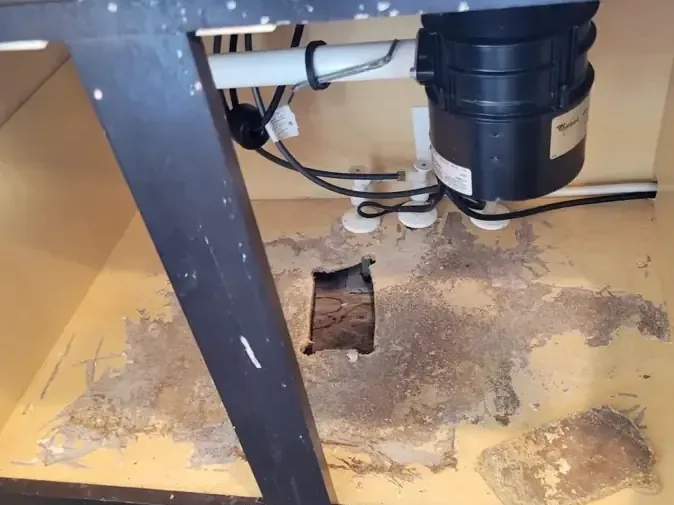
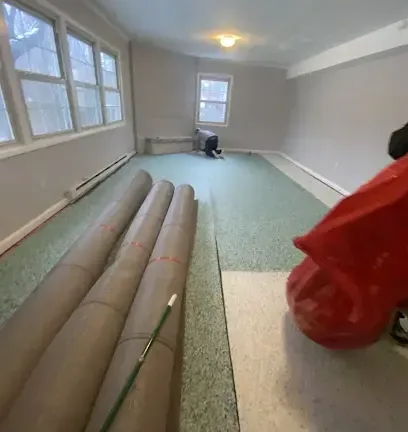
What a water damage dry-out looks like
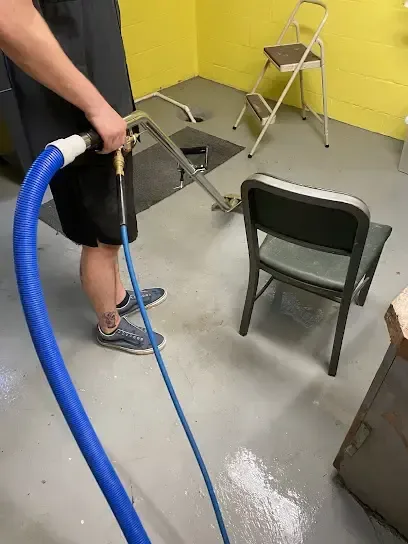
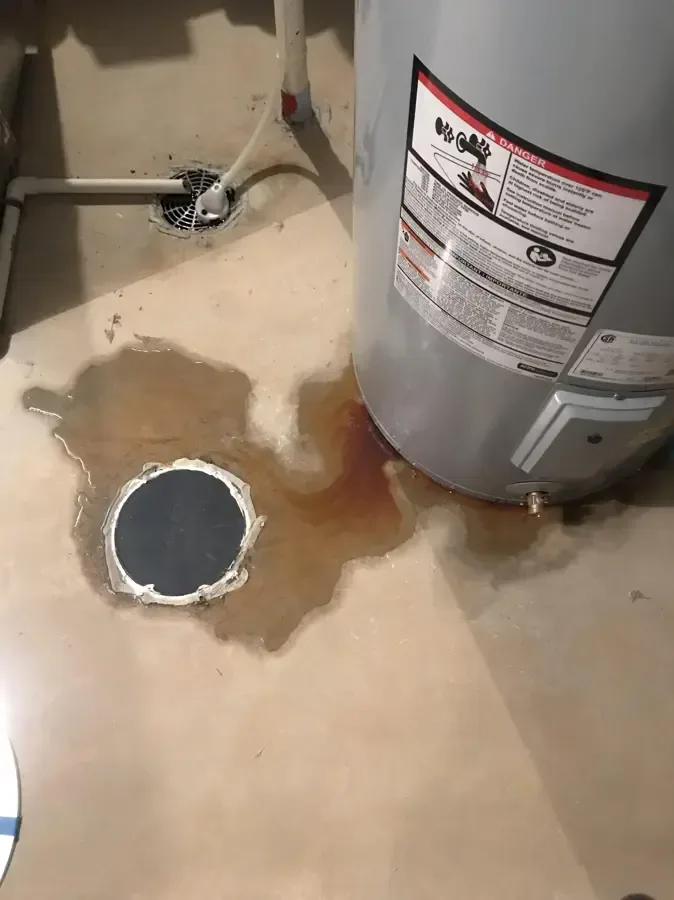
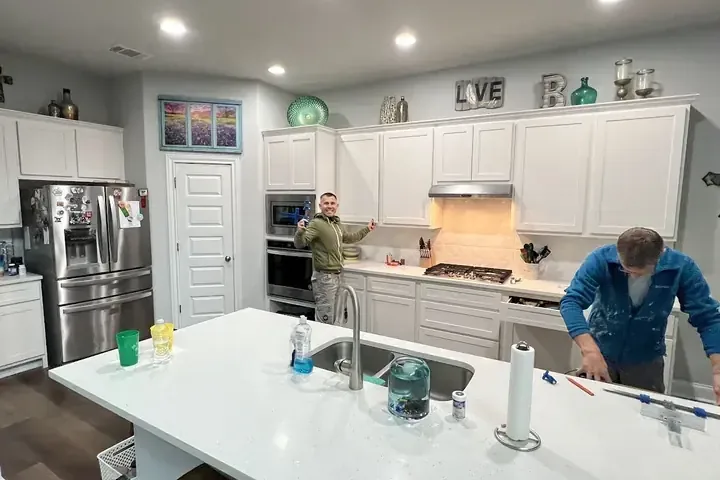
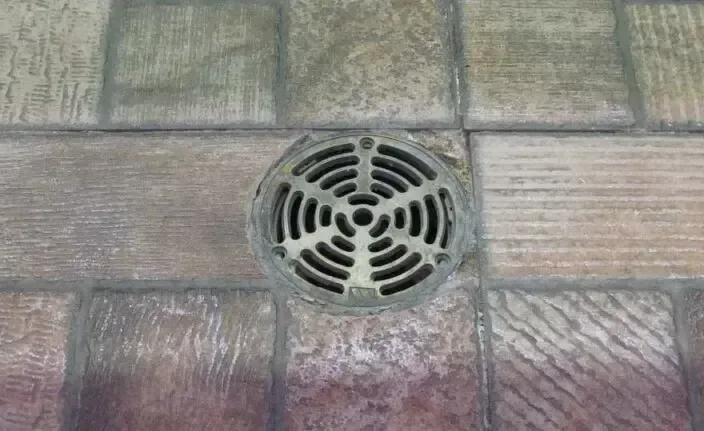
Where the restoration crews work
ZIP 91352 and 91353 and the northeast Valley around them, from Stonehurst to the yards along San Fernando Road.
ZIP codes covered
Neighborhood areas
- Stonehurst
- La Tuna Canyon
- Hansen Spreading Grounds area
- Tujunga Wash side
Main corridors
- San Fernando Road
- Glenoaks Boulevard
- Sunland Boulevard
- Sheldon Street
- Tuxford Street
- Vineland Avenue
Nearby communities
- Burbank
- North Hollywood
- Pacoima
- Arleta
- Panorama City
- Shadow Hills
- Sunland
- Tujunga
- Lake View Terrace
One call reaches Sun Valley water damage pros, 24/7
The restoration pros cover the slab homes, the hillside lots and the industrial yards, and the extraction crew plans equipment around where the water came from and how far it spread.
All water damage categories covered in Sun Valley, CA
Category 1, clean water
A supply pipe, slab leak or water heater. Extracted and dried in place when drying starts early.
Water extractionCategory 2, gray water
Washer and dishwasher discharge or a toilet overflow without waste. Soaked materials are cleaned or removed.
Appliance and hose leaksCategory 3, black water
Sewage and storm runoff from the street. Porous materials come out and surfaces get antimicrobial treatment.
Sewage backup cleanupWater damage in Sun Valley, CA: the local risk profile
Sun Valley sits on sand and gravel washed down from the San Gabriel Mountains, the same ground that made it a center for gravel mining, with the Tujunga Wash along its western side. Four patterns drive most water losses here:
- Street runoff. Much of the area was built without a full storm drain system, so winter storms pond on streets and push water toward low lots, garages and door thresholds.
- Copper under slabs. Postwar slab homes carry copper supply pipe in or under the concrete, where pinhole leaks wet flooring from below.
- Hard water. Mineral-heavy water wears out tank water heaters and supply valves sooner than softer water would.
- Long, hot summers. Air conditioners run for months, and clogged condensate drains and rooftop coolers drip into ceilings and walls.
Water damage questions from the northeast Valley
How fast does someone respond to a water damage call?
Water damage calls are treated as urgent at any hour, including nights, weekends and holidays. The sooner extraction starts, the more of the slab, drywall and cabinets can be dried instead of replaced.
What causes most water damage in Sun Valley homes?
Pinhole and slab leaks in copper supply pipe, failed water heaters, appliance hose bursts, AC condensate overflows in summer and storm runoff that ponds on the street in heavy winter rain. Older homes add galvanized pipe and clay sewer laterals.
What should I do first while the water is still spreading?
Close the main shutoff, switch off breakers for wet rooms if the panel is dry, stay out of water near outlets and photograph everything. Then lift rugs and belongings off the floor and call.
How long does it take to dry a house after water damage?
A contained Class 1 or 2 loss usually dries in three to five days. A wet slab, hardwood, plaster or stone walls take longer. Equipment stays until readings match a dry reference material, not until a set date.
What is the IICRC S500?
It is the industry standard for professional water damage restoration. It sets how water is categorized, how drying equipment is sized and how a dry structure is confirmed with moisture readings.
Is water damage covered by homeowners insurance?
Sudden and accidental damage, like a burst supply pipe, is commonly covered. Storm water flowing in from outside usually needs flood insurance, and slow leaks are often excluded. Coverage depends on your policy, so check with your own insurer.
How can I tell if a slab leak is behind a wet floor?
Warm spots on the floor, the sound of running water with every fixture off, a water meter that keeps turning and damp carpet or lifting tile away from any wet room all point to a leak under the slab. See slab leak water damage for what happens next.
What is the difference between mitigation and repair?
Mitigation stops the damage: extraction, removal of what cannot be saved and drying. Repair puts the home back with new drywall, flooring, paint and trim. Insurers usually treat the two as separate parts of a claim.
When does drywall have to come out?
Drywall that wicked clean water can often be dried in place when drying starts fast. It comes out when it touched Category 3 water, when it has crumbled or swollen, or when the cavity behind it cannot be dried any other way.
How is the cost of water damage restoration figured?
The main drivers are the water category, the square footage and rooms affected, the material class, whether the slab is involved and how fast drying started. The cost calculator gives a planning range.
Water in the house or the shop? Call now.
The extraction crew pulls the water, the drying team dries the structure to the S500 standard, and the claim file is ready for your insurer.